
CHM3005 – Batteries, Fuel Cells and Supercapacitors
Interactive tools to support your learning in electrochemistry
These interactive models help visualise key electrochemistry concepts covered in CHM3005. Use the sliders and controls to explore how changing parameters affects electrochemical systems.
Lesson 1: Voltage & Current Explorer
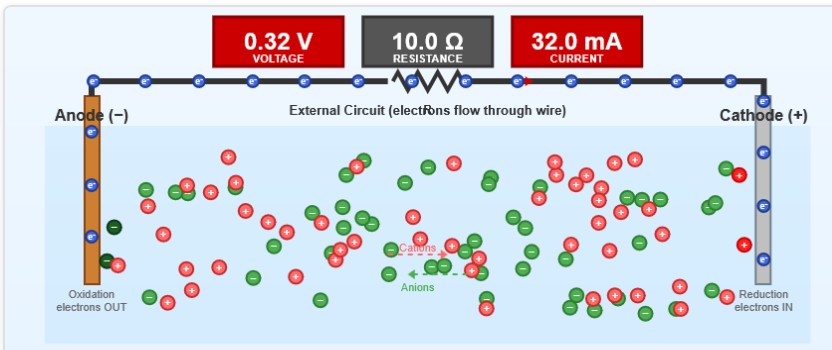
Understand the relationship between voltage (thermodynamic driving force), current (kinetic flow rate), and resistance in electrochemical systems. Watch ions migrate and accumulate at electrodes as you apply voltage.
Start Lesson →
Lesson 2: Electrochemical Series & Nernst Equation Explorer
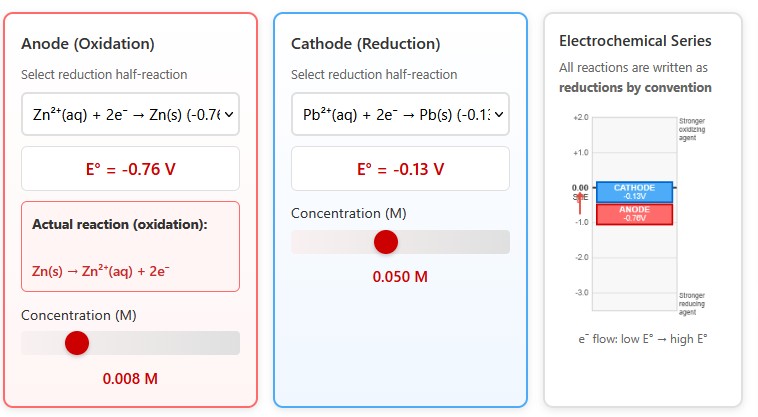
Build custom electrochemical cells by selecting half-reactions from the electrochemical series. Calculate cell potentials and see how concentration affects voltage through the Nernst equation.
Start Lesson →
Lesson 3: Butler-Volmer — Single Electrode Kinetics
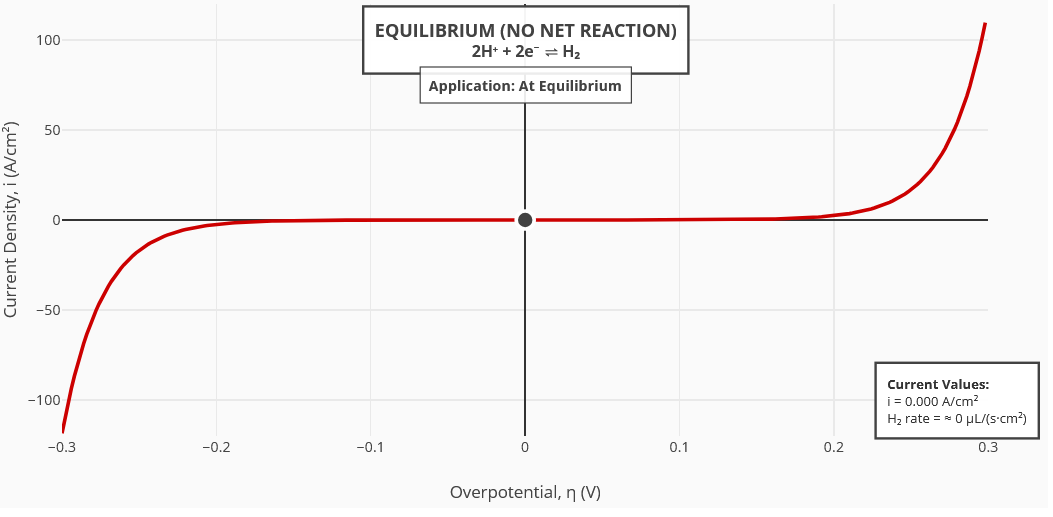
Explore the Butler-Volmer equation for hydrogen reactions on platinum catalysts. Adjust overpotential and exchange current density to see how electrode kinetics determine current flow in fuel cells and electrolysers.
Start Lesson →
Lesson 4: Butler-Volmer — Dual Electrode Kinetics
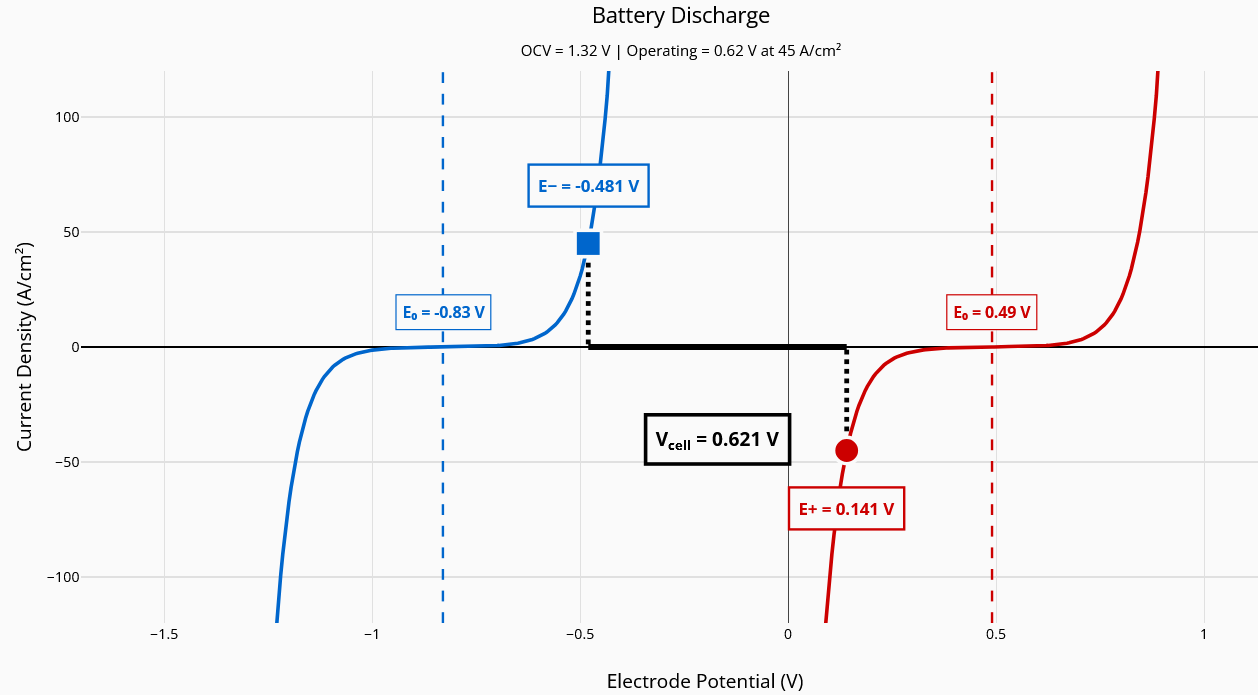
See how Butler-Volmer kinetics at two electrodes combine to determine battery performance. Explore charge and discharge modes, and understand how exchange current density at each electrode affects voltage losses in NiMH batteries.
Start Lesson →
Lesson 5: Electrochemical Cell Polarisation Losses
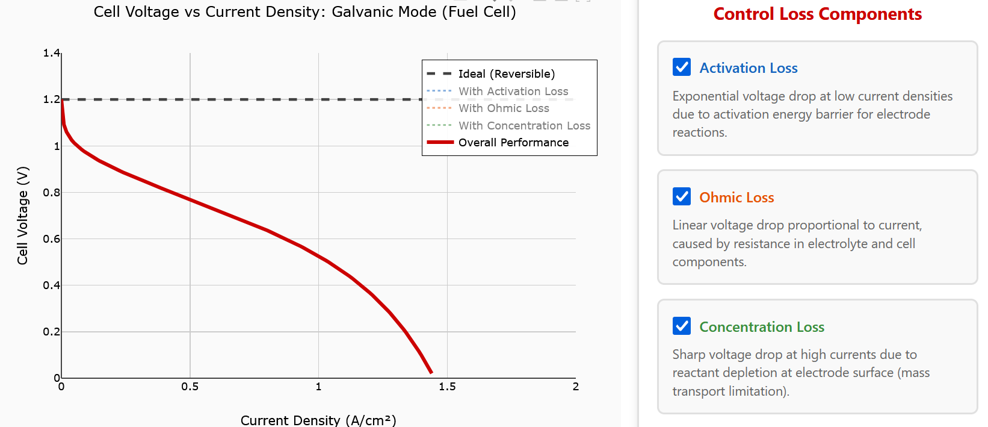
This interactive tool demonstrates how three main types of losses affect electrochemical cell performance in both operating modes (Galvanic and Electrolytic)
Start Lesson →
Lesson 6: Batteries — Useable Capacity and C-Rate
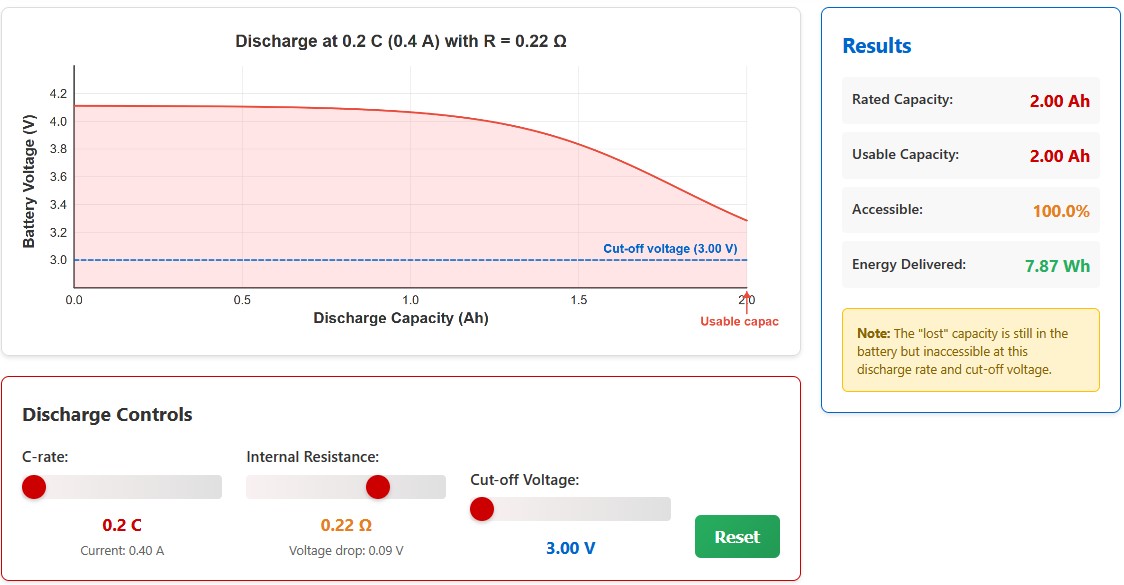
This interactive tool demonstrates how discharge rate and voltage cut-off determine the usable capacity and energy output of a battery, illustrating why rated capacity is not fully accessible in practical operation.
Start Lesson →
Lesson 7: Battery Charging at Different Temperatures
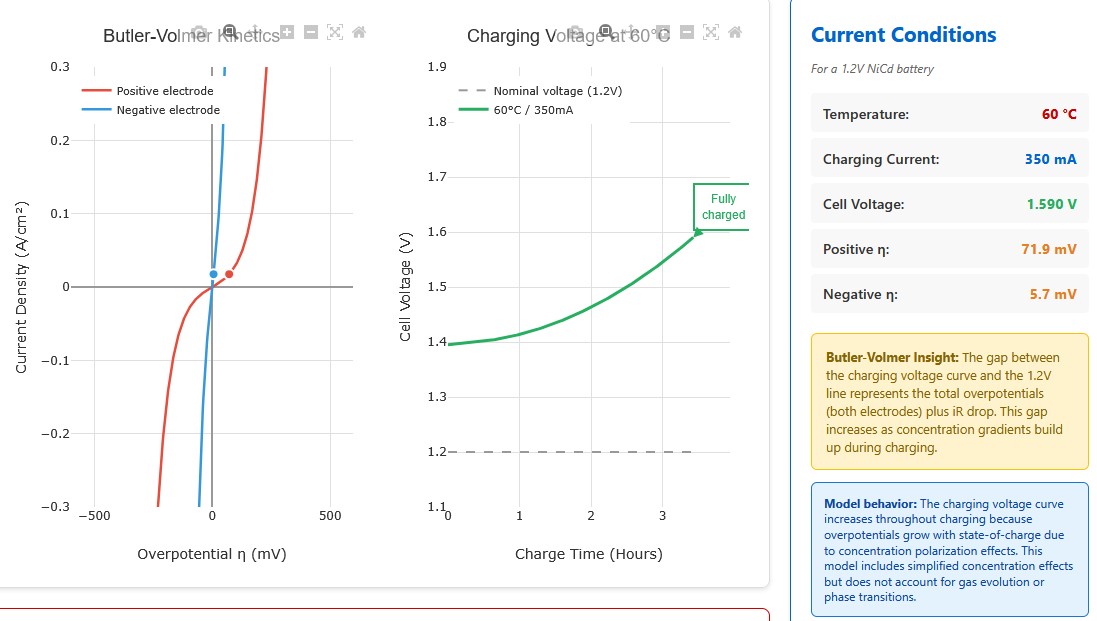
[Placeholder description — explore how temperature affects charging behaviour, rate capability, and performance in batteries.]
Start Lesson →
Lesson 8: Li-ion Battery
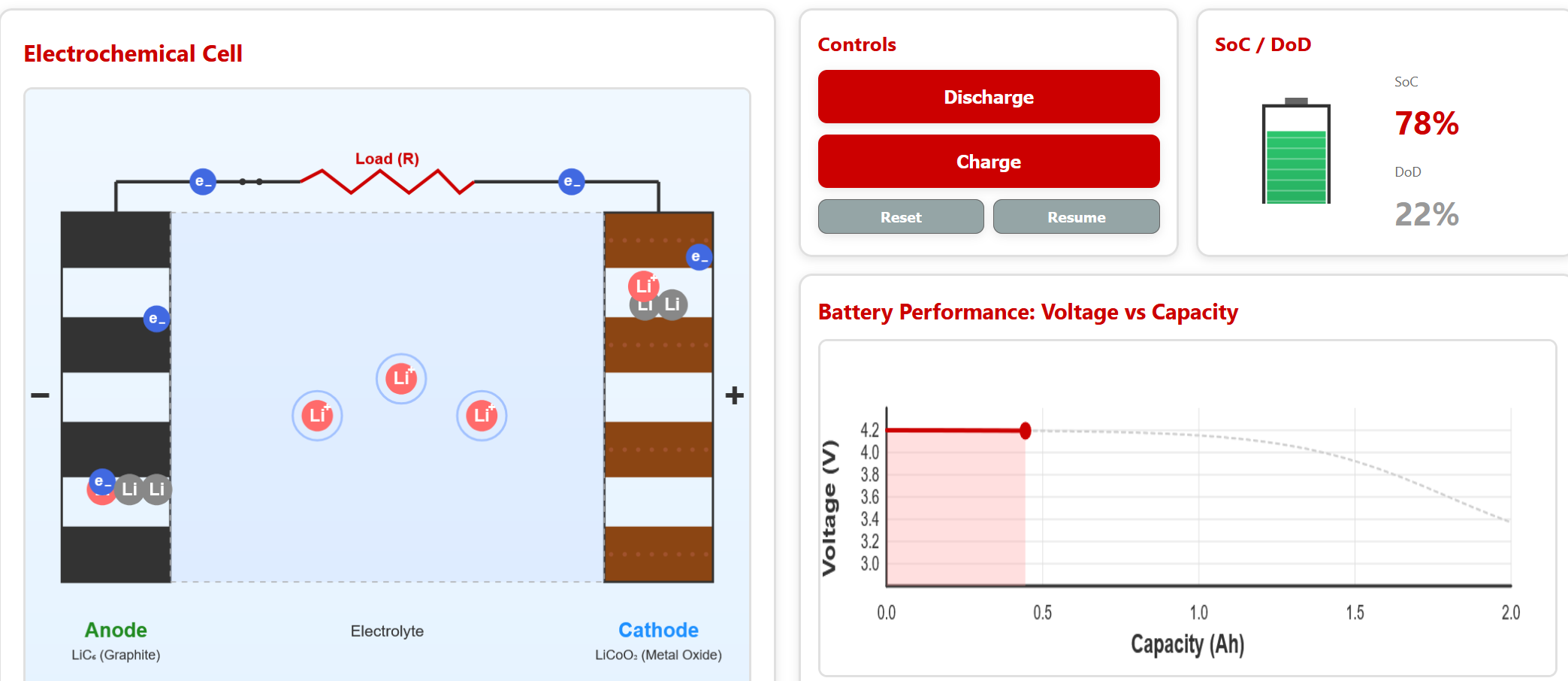
[Placeholder description — this card was previously duplicating the Capacity/C-Rate text; please confirm what this tool actually covers.]
Start Lesson →
Lesson 9: EDLC Charge–Discharge Visualisation
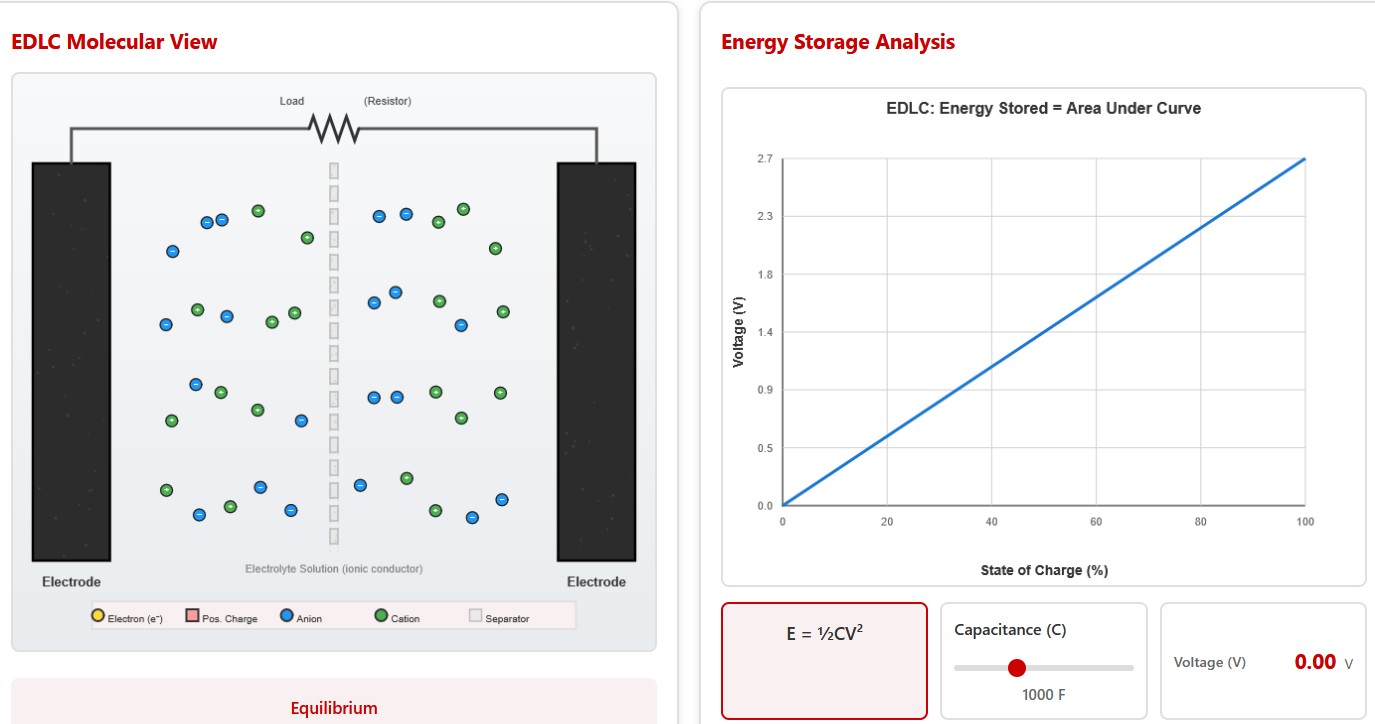
This interactive tool visualises electric double-layer capacitor (EDLC) charging and discharging, linking ion redistribution at the electrodes to voltage evolution and stored energy.
Start Lesson →
Lesson 10: Fuel Cell Kinetics
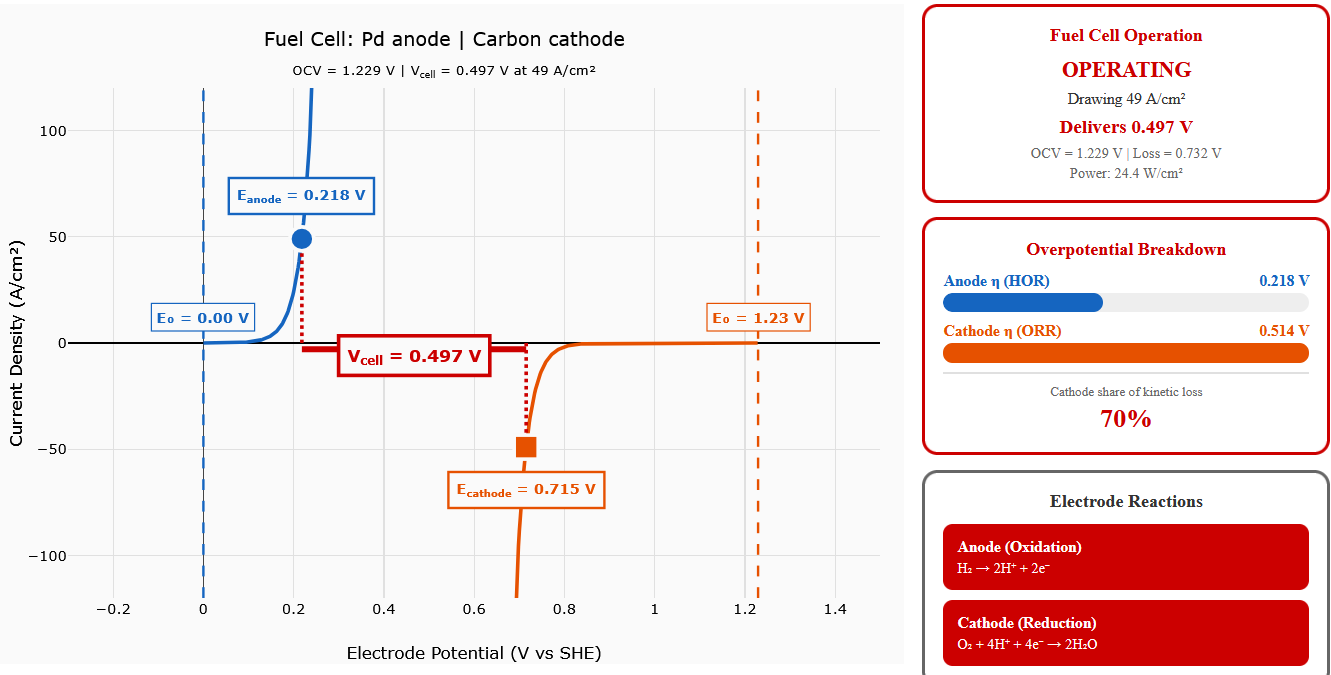
[Placeholder description — this card was previously duplicating the Capacity/C-Rate text; please supply real copy for the fuel cell kinetics model.]
Start Lesson →More interactive tools will be added throughout the semester. Check back regularly for updates!